biodervisty matters
Armenia has rich biological diversity at the genetic, species, and ecosystem levels, due to its varied landscapes and climatic zones. The country is situated across two global biodiversity hotspots - the Caucasus and the Irano-Anatolian. The flora of Armenia comprises about 3800 vascular plant species, including 144 endemics. The funga includes 4207 species of fungi and 685 species of lichens, while algae and mosses are represented by 428 and 399 species, respectively. Armenia also maintains a unique genetic diversity of wild fruit trees, such as wild pears (32 species) and a wide array of crop wild relatives. Species of economic value (over 200 edible plants and 290 edible mushrooms) provide food and ecosystem services for local communities. The fauna is also exceptional, with around 17500 species, including 495 endemics. Habitats are also diverse and remarkable, ranging from deserts and semi-deserts to steppes and meadow-steppes, forests, subalpine and alpine meadows and wetlands. Major threats to biodiversity in Armenia result mainly because of anthropogenic activities. Direct threats include illegal logging, poaching, wildfires, unsustainable harvesting and use, and the illegal trade in flora, fauna, and funga. Indirect threats, such as environmental pollution, large-scale agriculture, unregulated pesticide use, habitat fragmentation, habitat destruction and loss from mining and infrastructure development, and the spread of invasive alien species are driving declines in species and degrading habitat diversity and quality. Threatened species are listed in the Red Book of the Republic of Armenia. The current version includes 452 vascular plants, 40 fungi, 155 vertebrates, and 153 invertebrates.

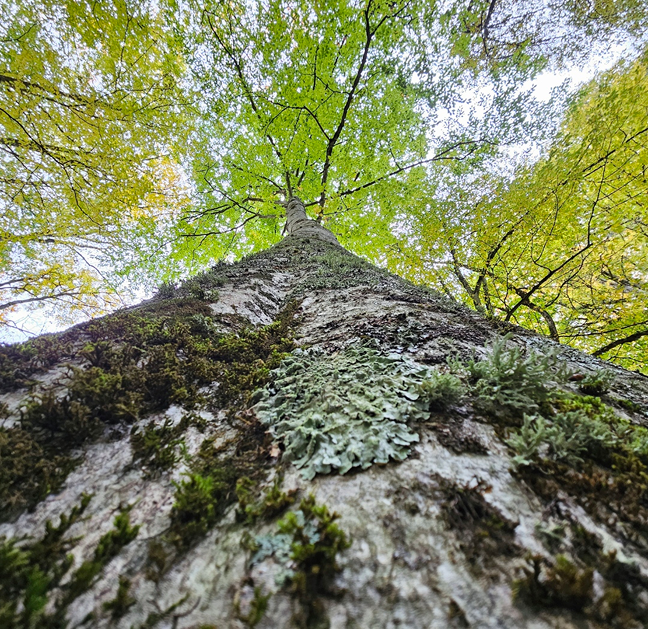
The significant portion of Armenia’s biodiversity is conserved through a state, privately and community-managed protected areas. Currently, 13.1% (386487 ha) of Armenia’s territory is designated as state-managed PAs: 3 state reserves, 4 national parks, 27 sanctuaries, and 233 natural monuments with different protection regimes. The three state reserves (Khosrov, Shikahogh, and Erebuni) have strict protection (IUCN Category I) and cover 1.2% of the country. In 2013, the Council of Europe awarded the Khosrov Forest Reserve the European Diploma for Protected Areas. Four national parks (IUCN Category II), including Arevik, Dilijan, Lake Arpi, and Sevan, cover 7.9% of Armenia. Many state sanctuaries (IUCN Category IV) and natural monuments (IUCN Category III) currently lack management plans, clearly defined boundaries, and other standard attributes of protected areas.
Beyond the state network, privately and community-managed protected areas exists in Ararat and Vayots Dzor provinces of the country. The Caucasus Wildlife Refuge, which enlarged its territory from 400 to 30000 hectares since establishment, is privately managed by the Foundation for the Preservation of Wildlife and Cultural Assets. It is located near the Khosrov Forest State Reserve, while, Arpa (formerly Gnishik) Protected Landscape is the first community-managed protected area in Armenia. The protected landscape is managed by the ARPA Environmental Fund, which was established by the communities of Areni and Khachik of the Vayots Dzor province.
In addition, other effective area-based conservation measures (OECMs) have significantly developed in Armenia over the last decade. By the efforts of the WWF and the MoE a regional project entitled "Promotion of Eco-Corridors" was launched in 2015 to ensure ecological connectivity and safe migration of large mammals over the South Eastern Lesser Caucasus Eco-Corridor. The target communities (total coverage of more than 37000 ha) of the eco-corridor project sign conservation agreements with local partners to manage sustainably the conservation areas following long-term land use or wildlife habitat management plans. Armenia also hosts other globally recognized conservation designations: 3 Ramsar Sites, 28 Key Biodiversity Areas, 32 Important Plant Areas, 18 Important Bird Areas, and 32 Prime Butterfly Areas. In total, 23 candidate Emerald Sites have been proposed.
The species-level conservation projects are implemented by several national and international organizations. In 2013, WWF-Armenia and Ministry of Environment of the RA, has initiated project entitled Reintroduction of the Caspian Red Deer (Cervus elaphus maral) in Armenia. The goal of the project is to restore the population of the Caspian Red Deer in the Country.
However, the flagman of the species conservation in Armenia is Caucasian or Persian Leopard (Panthera pardus tulliana) conservation programme of WWF Armenia started in early 2000. Due to significant conservation efforts in the southern Armenia, number of leopard individuals at the early stages was 1-2 animals and according to the Ecoregional Conservation Plan for the Caucasus, published in 2020 increased between 2014-2019 to 8 individuals. Currently, the population size is estimated up to 10 individuals. The Leopard is flagship and umbrella species attracting attention towards landscape level of conservation, that secure habitats for other species including its prey, such as Bezoar goat, Armenian mouflon, Indian porcupine, etc.
The branch of German Nature Protection Union (NABU) in Armenia implements the project targeting birds of prey research and conservation. The project aims to study and protect the nesting sites of birds of prey. Since 2017, the large portion of White Stork (Ciconia ciconia) population has continuously been contaminated by an agent of plant oil and/or fish fat, which result in species decline. The BirdLinks Armenia NGO and NABU in Armenia are implementing monitoring and conservation actions to protect the White Stork in the Ararat Plain. Several small-scale projects for plant conservation have also been implemented during the recent years. For instance, successful restoration project improving quality of habitat and increasing population viability funded by the Caucasus Nature Fund was implemented at the Arpi Lake National Park for the Yellow Water-Lily (Nuphar lutea) included in Armenia’s Plants Red Book as Critically Endangered.
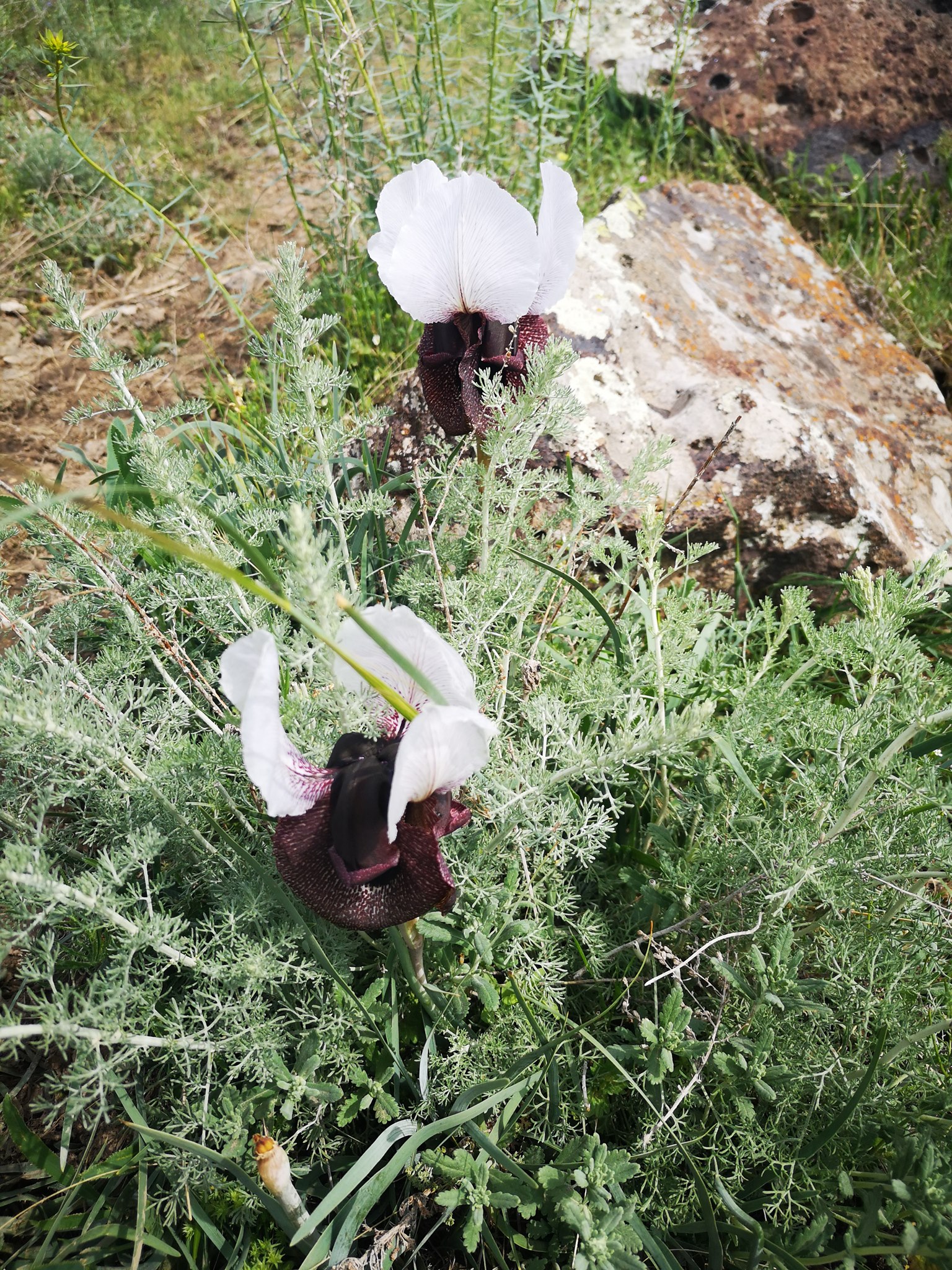
Nature and biodiversity governance in Armenia are guided by the framework of codes, laws, government decrees, international conventions, and bilateral and multilateral agreements. The following laws, government decrees, and codes form the backbone of Armenia’s biodiversity policy framework: the Law on Flora (1999), the Red Books of Plants and Animals (2010), the Forestry Code (2005), the Law on Environmental Control (2005), the Law on Environmental Impact Assessment (2014), the Law on Specially Protected Nature Areas (2006), the Law on Hunting and Hunting Economy (2007), the Law on Tariffs for Compensation for Damage Caused to Fauna and Flora (2005), the Law on Genetically Modified Organisms (2023), etc.
Armenia is a Party to the Multilateral Environmental Agreements (MEAs) listed below:
- Convention on Biological Diversity (CBD) and its Cartagena Protocol on Biosafety
- Convention on International Trade in Endangered Species of Wild Fauna and Flora (CITES)
- Ramsar Convention on Wetlands of International Importance, Especially Suitable for Waterfowl Habitat
- Bern Convention on the Conservation of European Wildlife and Natural Habitats
- Convention on the Conservation of Migratory Species of Wild Animals (Bonn Convention; CMS) and related Agreements
- European Landscape Convention
- UN Convention to Combat Desertification (UNCCD)
- Agreement on the Conservation of African-Eurasian Migratory Waterbirds (AEWA)
- Convention on the Protection of the World Cultural and Natural Heritage (Convention on the Protection of the World Cultural and Natural Heritage (Paris)
- UN Framework Convention on Climate Change (UNFCCC)
- Aarhus Convention on Access to Information, Public Participation in Decision-Making and Access to Justice in Environmental Matters
Armenia does not yet have a systematized national biodiversity monitoring program. However, steps are being taken to build capacity and establish a national framework. The Caucasus Nature Fund (CNF) and the Ministry of Environment jointly developed a 10-year biodiversity monitoring plan for Armenia, under which CNF has financed several SPNA monitoring programs. A five-year plant diversity monitoring program, implemented by the A. Takhtajyan Institute of Botany of the NAS RA and funded by CNF, was launched in 2023. In 2024, the Scientific Center of Zoology and Hydroecology of the NAS RA began a fauna monitoring program. Subsequently, the Armenian Association of Mammalogists NGO and BirdLinks Armenia NGO signed agreements with CNF to monitor rodents and birds in SPNAs, respectively. Target species are also being tracked through various conservation projects: WWF-Armenia monitors the Caucasian Leopard, Bezoar Goat, and Armenian mouflon, while NABU conducts monitoring of birds of prey and white storks. In addition, the Hydrometeorology and Monitoring Center SNCO of the Ministry of Environment has a "Forests and Biodiversity Monitoring Service" group that carries out biodiversity monitoring in forestry units and PAs.
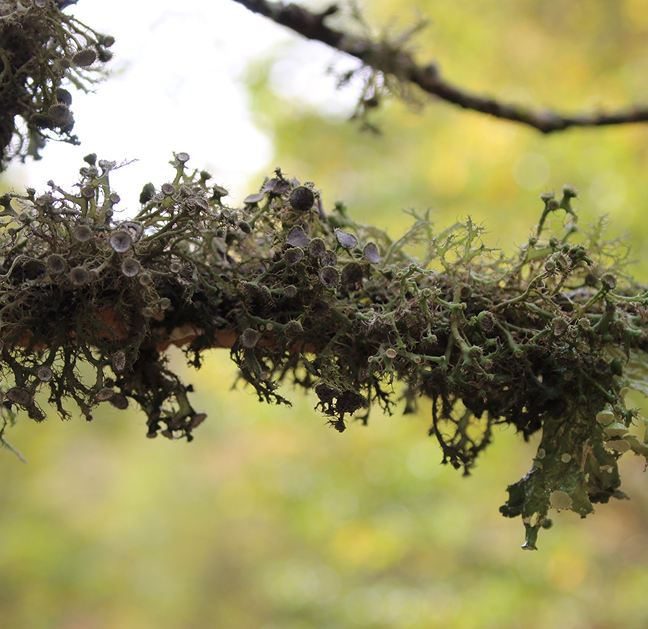

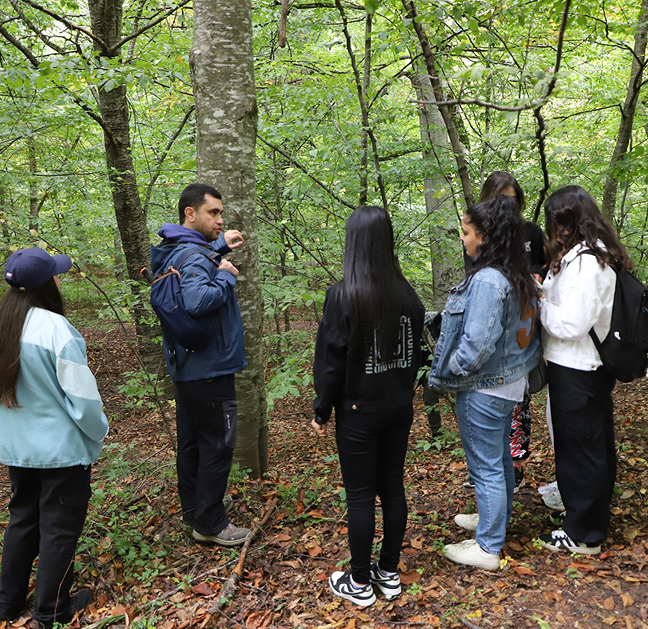
Biodiversity research in Armenia is led by a small but active community of institutes, universities, and conservation organizations. Key actors include the A. Takhtajyan Institute of Botany (NAS RA) with its national herbarium and long-term floristic studies, and the Scientific Center of Zoology and Hydroecology (NAS RA), which conducts research on fauna, freshwater ecosystems, and monitoring. Universities such as Yerevan State University and the American University of Armenia (via the Acopian Center for the Environment) contribute teaching, field studies, citizen science projects and policy-relevant research. The Armenian National Agrarian University supports work on agro-biodiversity and crop wild relatives. Some scientific NGOs, such as BirdLinks Armenia, Armenian Association of Mammalogists and others complement this effort with species surveys, and monitoring projects, often in collaboration with state protected area administrations and international organizations.